Nashville Hot Chicken Mastery
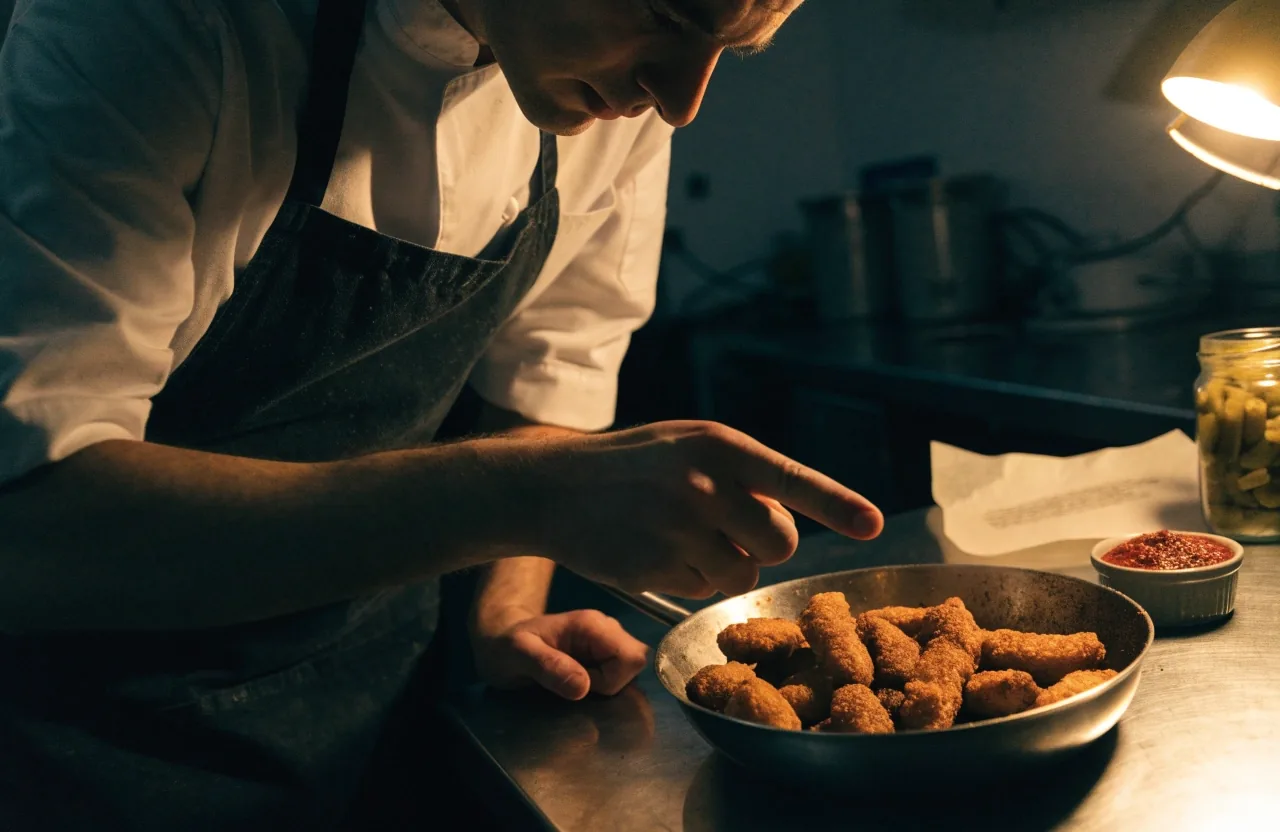
Dark kitchen counter at night with a pan, a small dish of cayenne paste and a jar of pickles

Course support desk

Contact the hot chicken course team

Questions about enrollment, ingredients, equipment, or the curriculum all reach the same team. Use the form on this page or email directly, and include the module or recipe you are asking about if you can. It helps us answer in one reply instead of three.

What to ask here

One inbox for every course question

Enrollment questions, ingredient substitutions, equipment checks, and anything about the curriculum belong here. If you are mid-cook and something went wrong, tell us the step and what you saw: crust shedding, glaze pooling, chicken dry. That detail is usually enough to diagnose it.

Write the way you would tell a friend across the counter. The more of the actual cook we can picture, the less we have to guess before we reply.

Enrollment and payment

Invoice timing, access email, and where you left off in the enrollment flow.

Ingredients and substitutions

Cayenne paste, dredge, glaze, and what changes when a swap goes in.

Equipment checks

Tell us what you own and we will say whether it covers the recipe.

Curriculum coverage

Ask which module holds tenders, sliders, wings, sandwiches, or brunch plates.

Send a message to the course team

Fill in what you know and leave the rest. If your question is about a specific module or recipe, naming it saves a round trip.

Your details are used to answer this message only.

Direct contact details

Reach us without the form

Office address
482 Culinary Arts Way, Suite 102 Nashville, TN 37203, USA
Hours
Monday to Friday, 9:00 AM – 6:00 PM Central Time
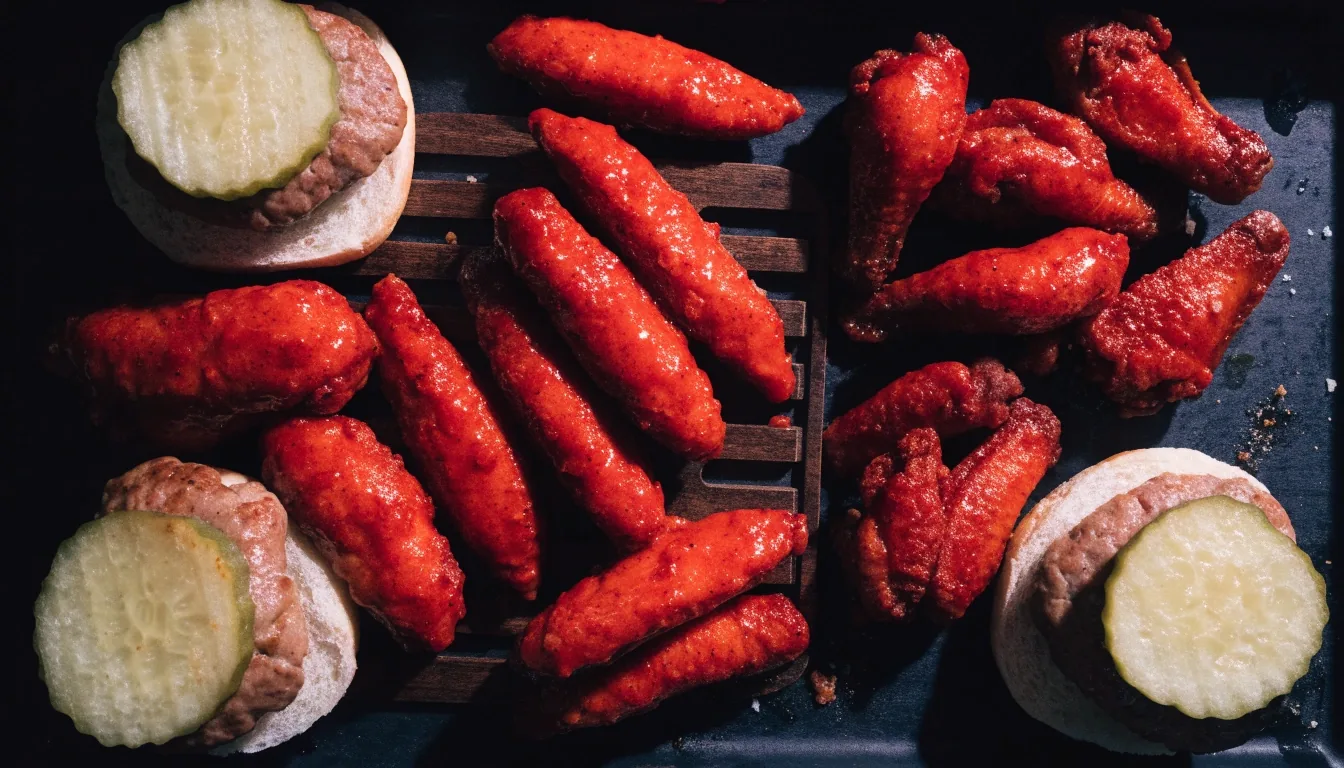
Overhead tray of glazed hot chicken tenders, sliders with pickles and wings on a dark board

Ask before you substitute

A swap that looks harmless can change how the dredge clings or how the paste sets on the crust. Tell us what is missing and what you have on the shelf, and we will say whether it carries the recipe.

Common questions we answer by email

Most messages fall into a handful of shapes. Here is what helps us answer each one on the first try, whether you are asking about daves chicken recipes, a heat level, or the course itself.

Enrollment and payment questions

If you have submitted the enrollment form and have not received an invoice or access email, contact us with the email address you used. Do not resubmit the form; we can find your entry and fix it. Enrollment is handled by invoice, so payment questions are usually about timing rather than card issues.

Weekends and holidays push invoices to the next working day. If you wrote to us already, reply on the same thread instead of starting a new one so nothing gets split across two conversations.
Ingredient and equipment questions

If you cannot find an ingredient, ask before you substitute. Some swaps work cleanly and some change the crust or the paste texture. The same goes for equipment: tell us what you have and we will tell you whether it covers the recipe.

A useful message names the brand, size, or model you already own, plus the vessel you plan to fry in. That is usually enough to compare against what the lesson calls for.

Curriculum questions

If you want to know whether a specific format is covered, ask. Tenders, sliders, wings, sandwiches, and brunch plates are all in the library, and we can point you to the exact module.

Questions about heat levels get the same treatment: name the level you are cooking at now and the one you want to reach, and we will say which lessons sit between them.

Response times

The team answers within a normal business window. Messages sent on weekends are usually handled at the start of the next week. If your question is urgent and about an active cook, say so in the subject line.

Questions that include a photo of the pan, the crust, or the glaze often get a shorter answer because we can see the same thing you do.

Where the team sits

The course office and test kitchen

The course is taught online, but the team works from a culinary office where lessons are filmed and tested. Visit only by appointment; there is no walk-in counter and no pickup service.

Address

482 Culinary Arts Way, Suite 102
Nashville, TN 37203, USA

Appointments and calls

Monday to Friday, 9:00 AM – 6:00 PM Central Time

Email

[email protected]

Use the map to check the neighborhood before an appointment. Directions are shared with your confirmation.

Hands lifting a glazed fried chicken tender out of a dish of cayenne paste with tongs

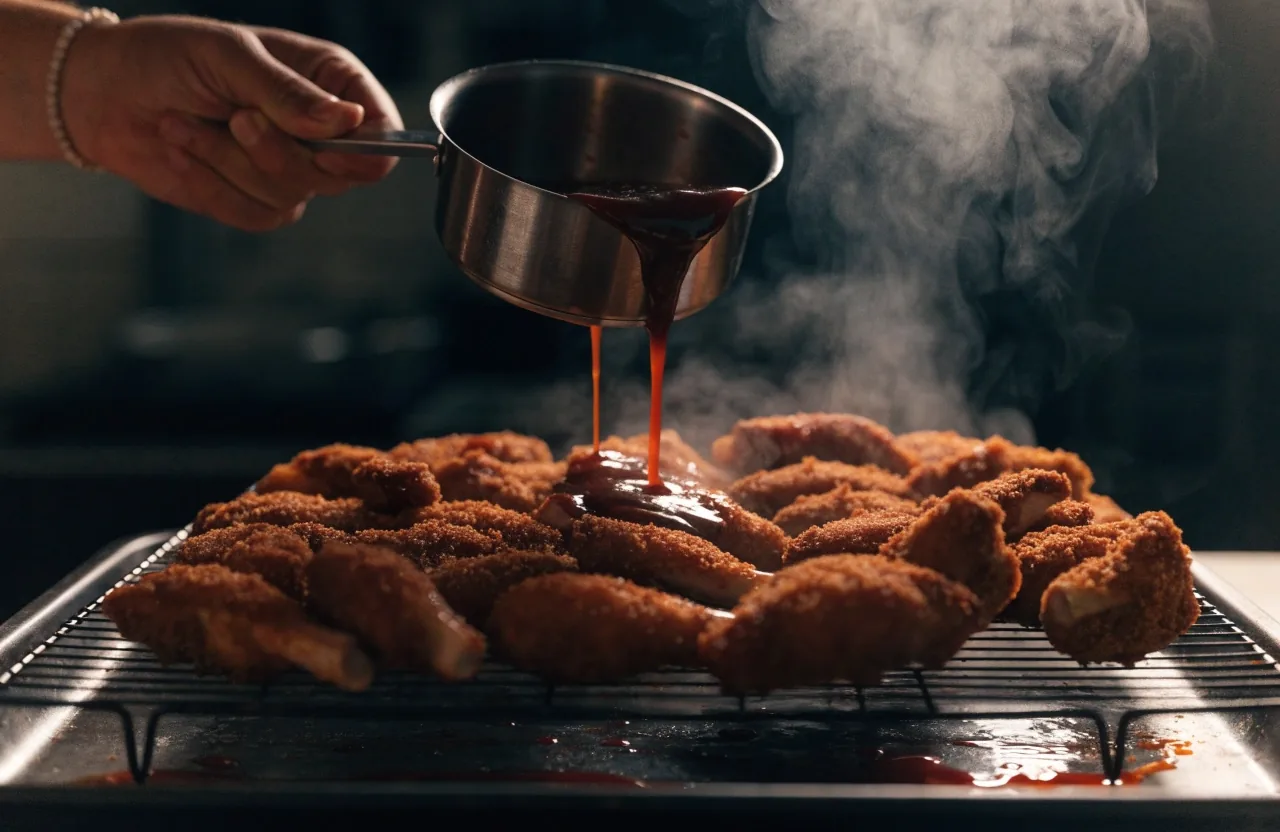
Glaze pooling on the plate instead of clinging to the crust is one of the most common things cooks write to us about.

How to send a message we can act on

You do not need to write a report. Three details usually turn a slow back-and-forth into one clear answer, and none of them take more than a line.

  1. Name the module or recipe

    Tenders, sliders, wings, a sandwich, or a brunch plate. If you are unsure which lesson it was, describe the shape of the dish instead.

  2. Describe the step and what you saw

    Crust shedding in the oil, glaze pooling on the rack, chicken reading dry at the bone. Your words are enough; a photo helps when you have one.

  3. Say what you changed

    A different chile, a smaller pot, a longer brine. Substitutions are the usual reason a result drifts, and knowing yours points straight at the fix.

Still deciding whether the course fits

If your question is really about whether to enroll, tell us that instead of asking about one recipe. We will point you at the lessons that matter for how you cook now and what you want to make next, whether that is dave's hot chicken style tenders at home or the full heat ladder.