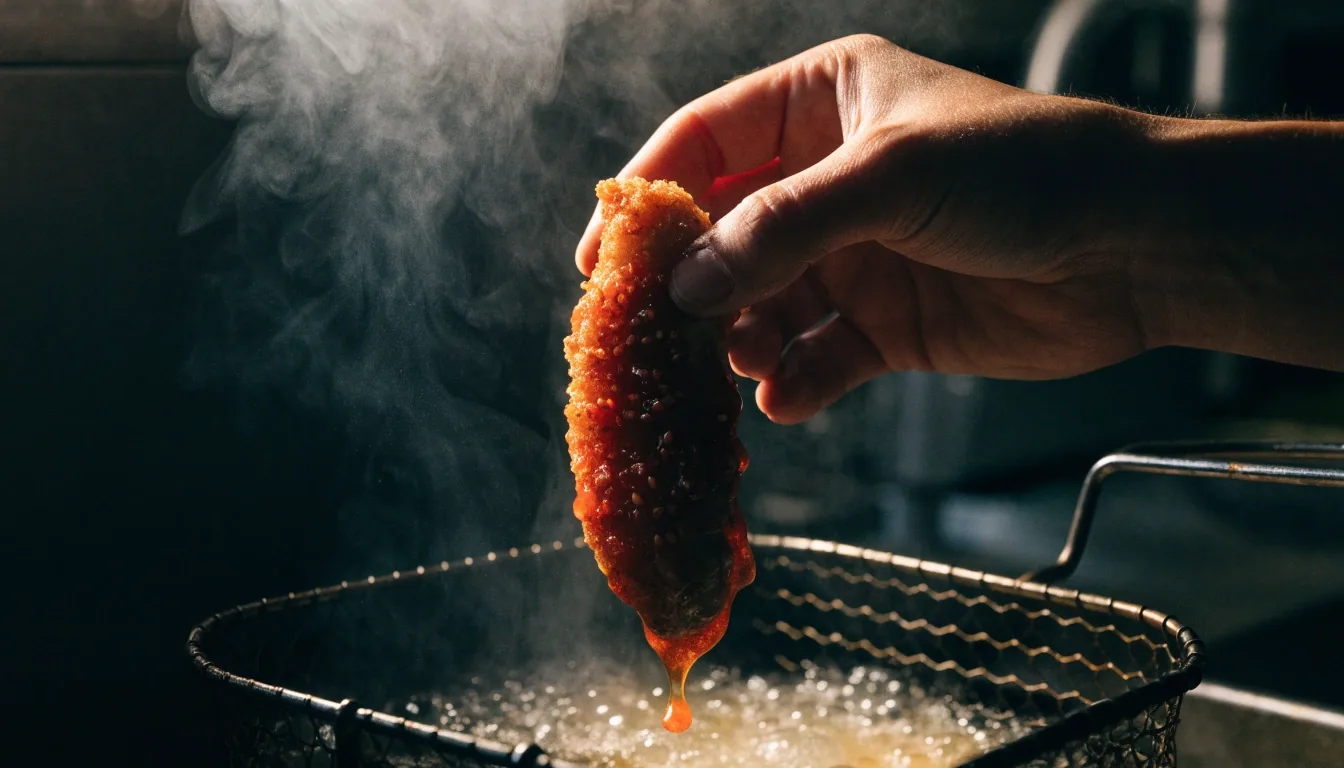
Frequently asked questions
Course format, equipment, ingredients, spice tolerance and access, answered in one place before you enroll.
How to use this page
These are the questions that come up most often before enrollment, grouped by topic: format, equipment, ingredients, spice, and access. Read the group you are unsure about, then follow the link at the end of it if you want the longer version.
Every answer here describes the dave hot chicken course as it is actually delivered: online modules, written recipes, practice cooks, and an invoice-based enrollment. Nothing on this page is a promise about your results — it is a description of what the course contains and how it runs.
If your question is not here, the contact page reaches the course team directly, and the team answers within a normal business window.
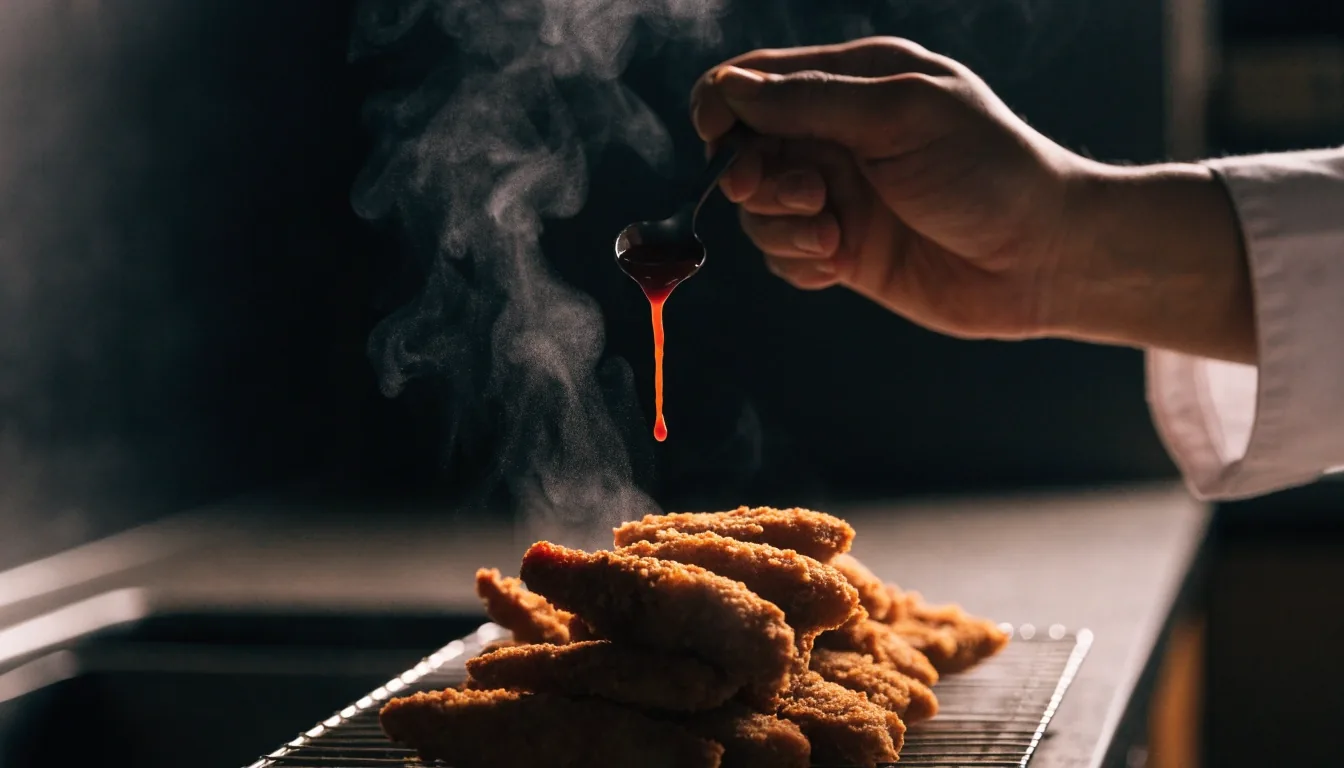
About the course format
The course is fully online and self-paced. Lessons are short video modules with written recipes underneath, so you can cook from the page without handling a device with wet hands. Each module ends with a practice cook and a checklist.
Are there live sessions or scheduled class times?
There are no scheduled class times and no live sessions to attend. You work through the modules in your own kitchen at your own pace, and access does not expire. If you cook on a weekend and come back three weeks later, the module sits where you left it.
How long does each module take to cook through?
The video lessons themselves are short by design. The practice cook at the end of each module is the part that takes real time, because you are breading, resting, frying, and glazing a batch. Most home cooks run one practice cook per session rather than stacking two modules back to back, since the paste and the dredge both need your attention.
Do I need to watch the whole course in order?
The modules are numbered for a reason, and the first ones build the skills the later ones assume: how to build the cayenne paste, how to keep the dredge even, how to hold oil temperature. If you already fry confidently, the curriculum page shows what each module covers so you can jump to wings, sliders, or the hotter paste builds without losing the thread.
Is the course written for beginners or for experienced cooks?
Both, as long as you are willing to follow a technique instead of improvising on the first run. The recipes give weights and temperatures rather than vague instructions, and the checklists exist so a first-time fryer knows when a batch is actually done. Experienced cooks usually move faster through the early modules and spend their time on the paste ratios and the higher heat levels.
Equipment questions
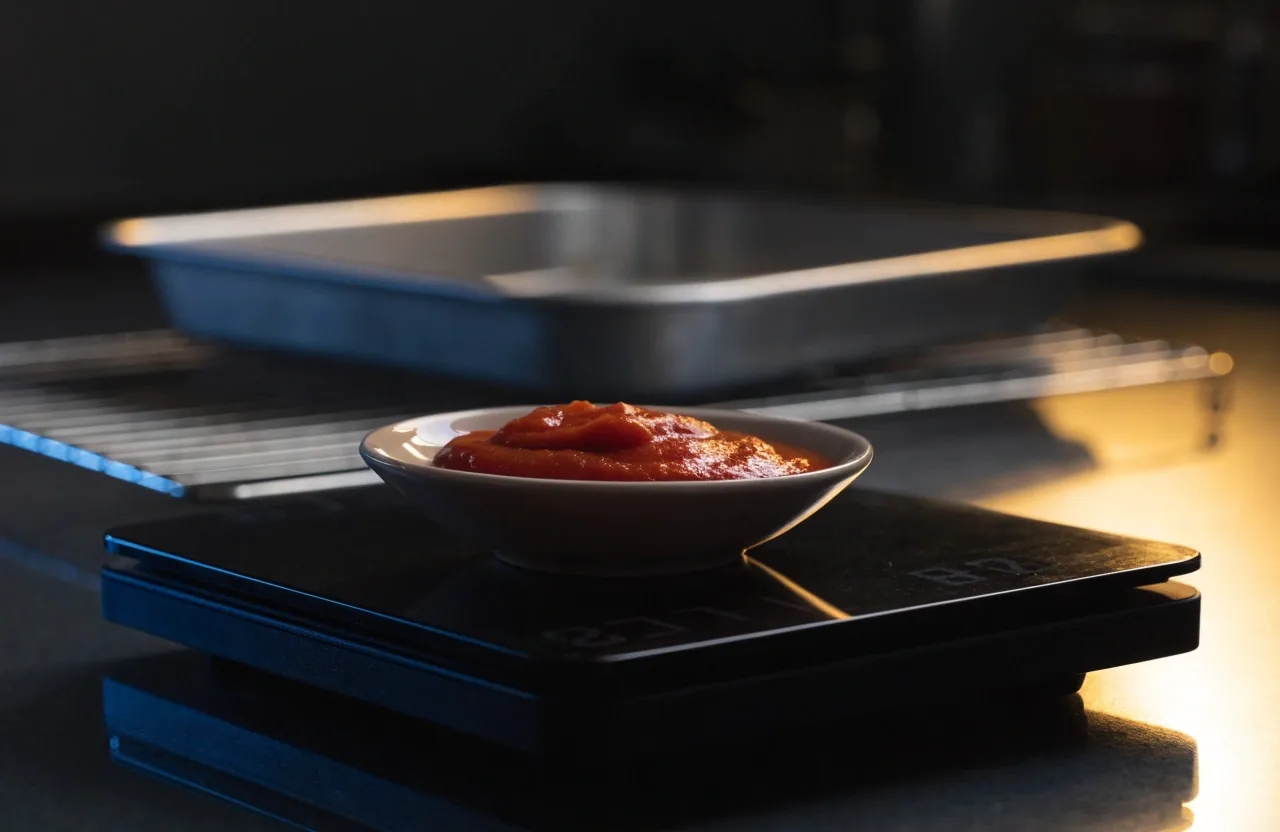
A heavy Dutch oven or deep skillet, a thermometer, a wire rack, and a sheet pan cover most of the course. A kitchen scale is the one tool we recommend without reservation, because the paste is built by weight and volume measurements make heat control unreliable.
A dedicated fryer is convenient but not required. The equipment list includes low-cost substitutions for small kitchens, including the smallest pot that still holds a safe depth of oil and how to read the oil level without a marked vessel.
Kitchen scale
The paste is built by weight. A basic digital scale removes the guesswork that makes a mild batch turn out hotter than intended.
Thermometer
Oil temperature decides whether the crust sets before the coating burns. A clip-on thermometer or an instant-read probe both work.
Rack and sheet pan
Tenders drain on a rack, not on paper. Air moving under the crust is what keeps the underside from going soft while you glaze.
Ingredients and substitutions
The core ingredients are chicken, buttermilk, flour, cayenne, and a fa for the paste. The course covers oil, butter, and lard versions of the paste and explains how each changes the result. A gluten-free dredge option is included, with an adjusted rest time.
If an ingredient is hard to find where you live, the recipes note the closest substitute and what changes. Cayenne is the backbone of the paste, so a swap there is the one that moves the flavor most; the fa swap changes texture more than heat.
Spice tolerance questions
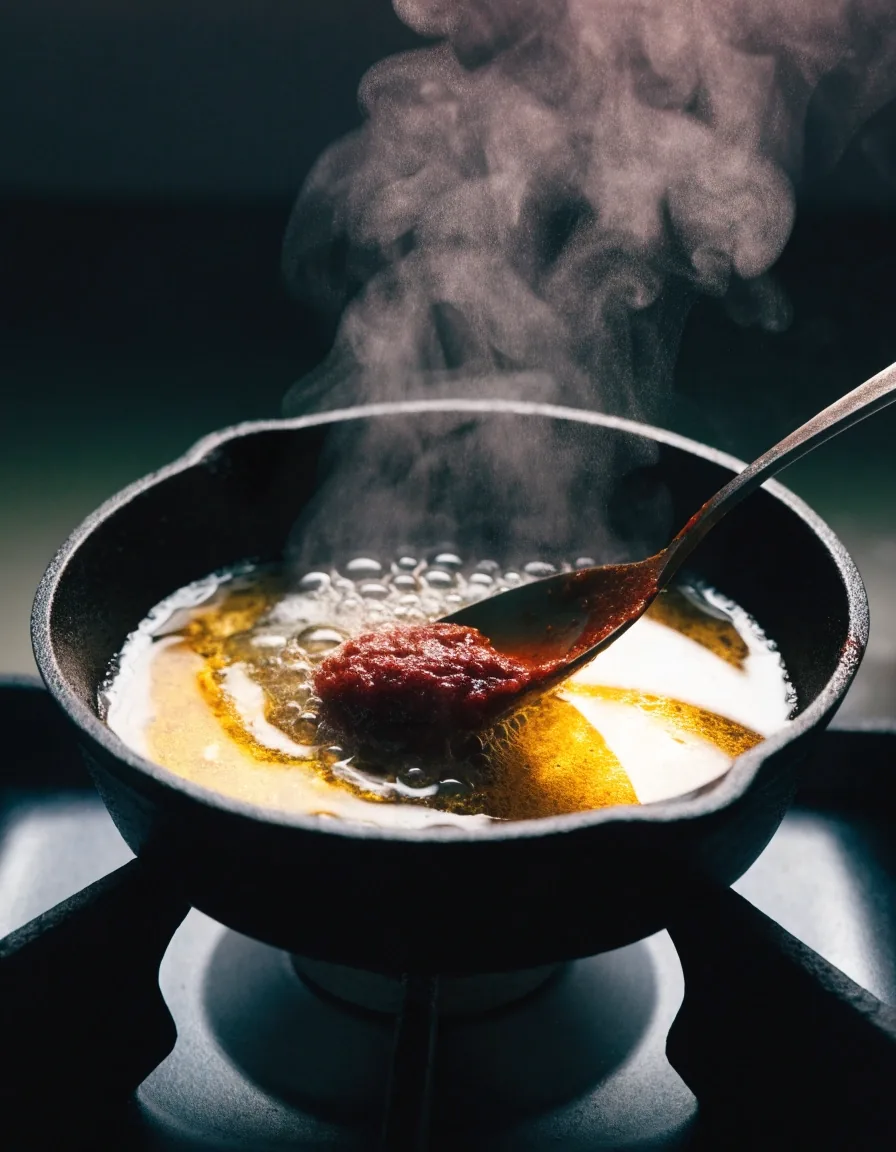
Start one level below what you think you can handle. The paste is concentrated and a level that tastes manageable on a spoon hits harder on a full piece of chicken. The course includes a self-check to help you pick a starting point.
Pick a level below your usual tolerance for the first practice cook. Once you know how the paste behaves on your stove and your chicken, stepping up is predictable rather than a gamble.
You can cook one batch of chicken and split the paste into two strengths at the end, which is the usual approach for households with mixed tolerance. One tray, two glazes, no second fry.
Cayenne paste questions usually come down to one thing: the paste is brushed on hot and concentrated, so a small amount spreads across a whole piece. Thinning it with extra oil lowers the heat and softens the glaze.
The hottest level in the course is built for cooks who already eat hot food regularly. If the first practice cook felt comfortable, the higher builds are covered with the same step-by-step method, not a warning label.
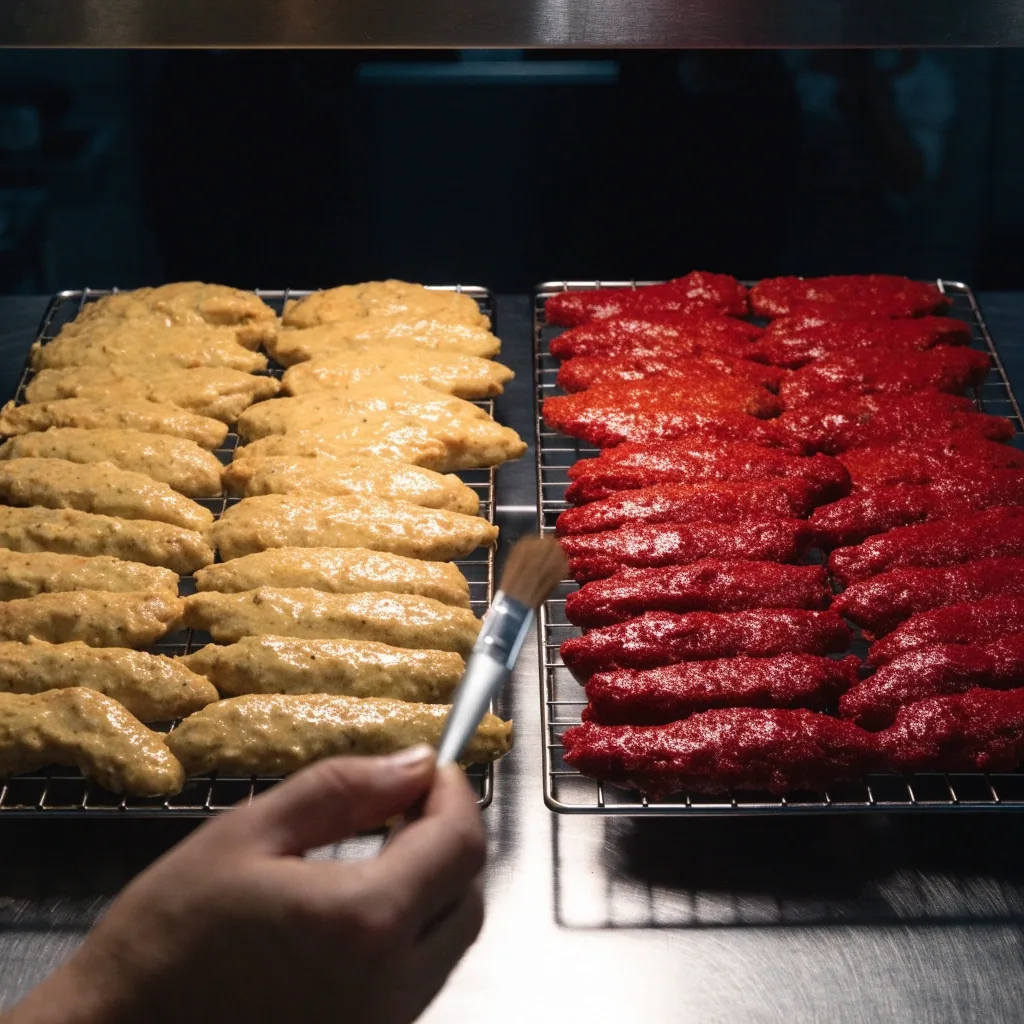
One tray, two strengths, no second fry
Splitting the paste at the end of a cook is how one household eats mild and another eats hot from the same batch.
It is also the fastest way to learn how much paste a tender actually takes.
Access and account questions
Does access expire?
Access does not expire, and recipe updates are included for the life of your access. If a recipe is clarified or a technique is re-shot, the module is updated in place and you see the current version the next time you open it.
How do access details arrive?
Access details arrive by email after enrollment. If you lose your access email, contact the team and they will resend it. Check the address you used on the enrollment form, since that is where the details are sent.
Can I cook on more than one device?
Yes. The written recipes sit under each video so you can pull them up on a phone at the stove or a tablet on the counter. Use whichever screen stays clean and out of the oil.
What if I fall behind?
Nothing closes. There is no cohort to catch up with and no deadline that locks a module. Restarting after a long break means opening the module you stopped on and running the practice cook again.
Enrollment and payment questions
Enrollment is handled by invoice. There is no card payment on this site and no automatic charge. You submit the enrollment form, the team emails an invoice, and access is set up after payment.
If you need to change your plan, ask the team and they will adjust it. That includes moving your start date, changing the plan you chose, or pausing before your first cook if the timing is wrong.
The daves hot chicken course keeps the payment step deliberately manual, so the team can answer a question about the plan before any money changes hands. Nothing is charged until you have an invoice in hand and decide to pay it.
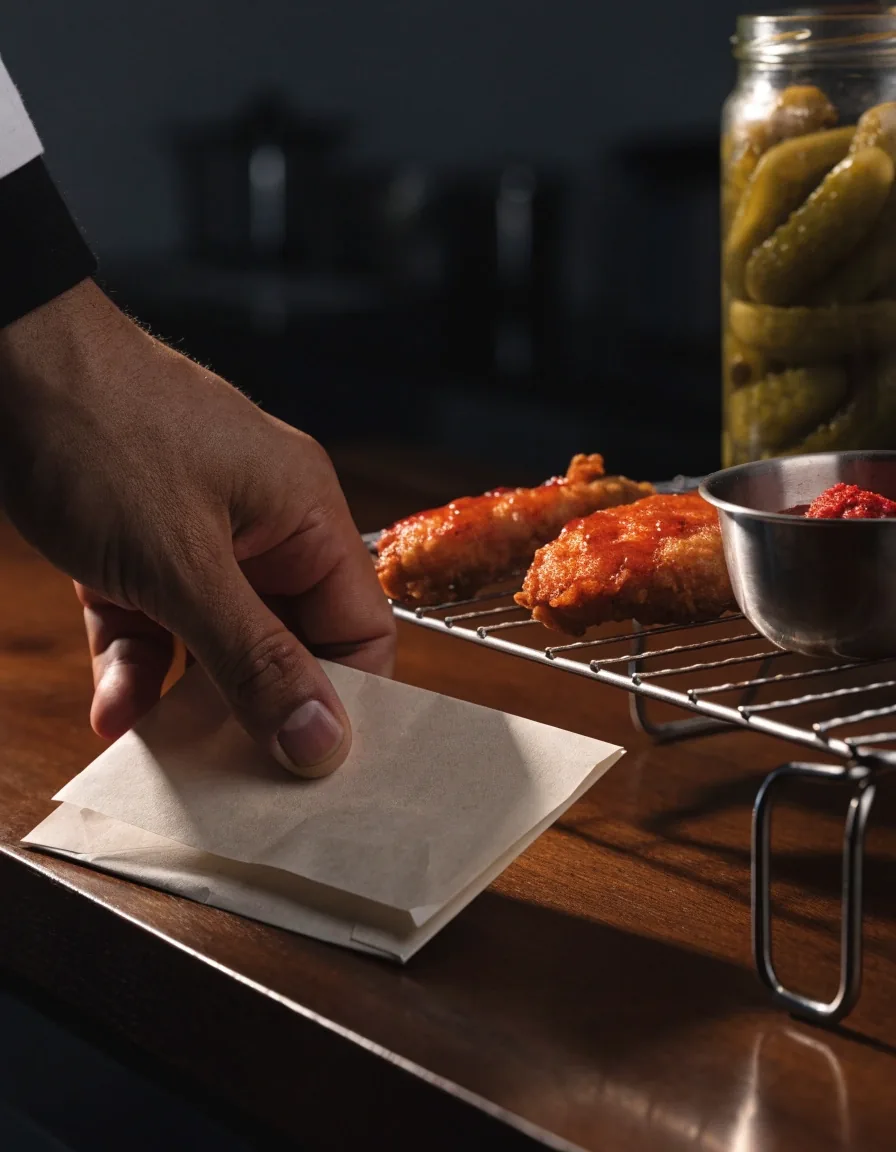
Contacting the course team
Questions about ingredients, equipment, the curriculum, or enrollment all go to the same place. The contact page has the form and the direct email, and the team answers within a normal business window.
If you are comparing this dave's hot chicken course against a different cooking class, ask about the parts that usually decide it: how the paste is taught, how the heat ladder is structured, and whether the recipes are written to be cooked from rather than watched.
Course team hours are Monday through Friday, 9:00 AM to 6:00 PM Central Time.
Reach the team directly
- [email protected]
- Phone
- +1-615-555-0129
- Address
- 482 Culinary Arts Way, Suite 102, Nashville, TN 37203, USA
- Hours
- Monday–Friday, 9:00 AM – 6:00 PM (Central Time)