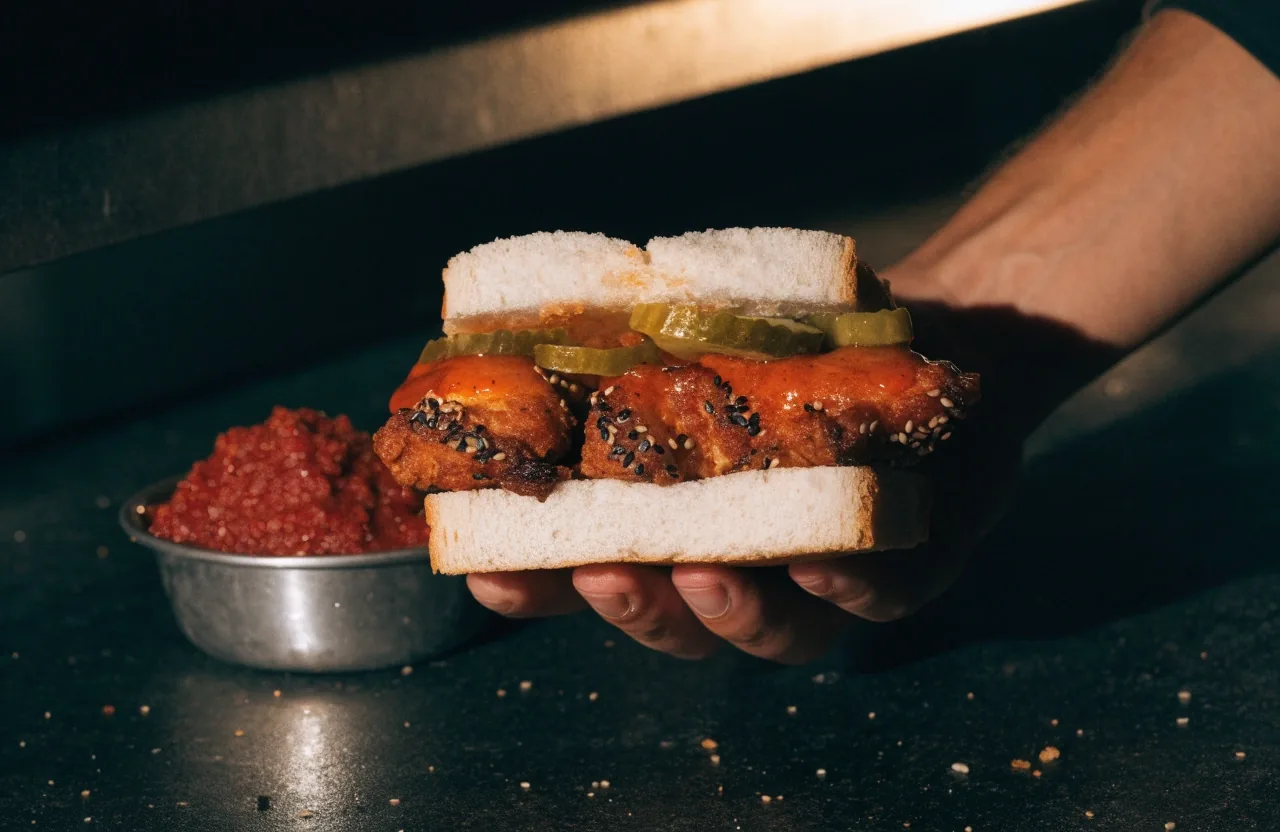
Hot chicken recipes from tenders to brunch
Nashville hot chicken is a technique first. Once the brine, the dredge, and the cayenne paste are yours, the dish list opens up.
Tenders
First cook
Sliders
Small format
Wings
Two-stage fry
Sandwich
The classic
Waffles
Sweet heat
Brunch
Bar food
One base method, six carriers
Every recipe on this page runs the same four moves: brine the piece, dredge it, fry it, brush the paste on while it is still hot. What changes is the cut, the fry timing, and how the paste meets the surface. Learn the method once and you can point it at almost any format.
The course teaches the classics in order, then stretches them. Tenders come first because they forgive a slow hand. Sliders, wings, sandwiches, and brunch plates follow, each with its own timing notes. That progression is what the daves hot chicken style of cooking is built on.
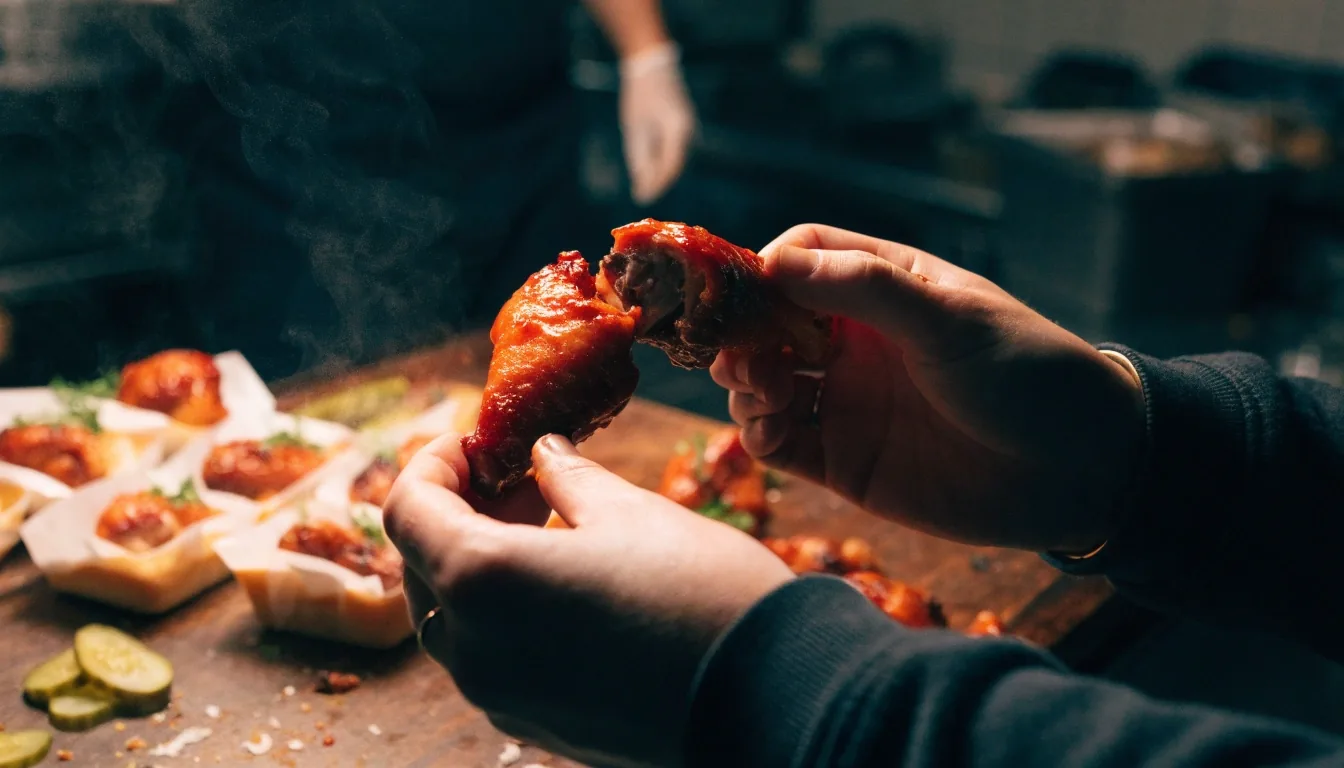
Street food is just the method travelling
A toasted bun, a glazed piece, pickles, and something cool to cut the fa. The carrier changes with the plate, the paste does not.
Starting recipe
Tenders teach the paste
Tenders are the cleanest introduction to the method, and the whole cook fits in under an hour once the brine is done. The piece is uniform, so the fry timing is steady and the recipe is forgiving if your first batch runs long. That forgiveness is why it goes first in the course.
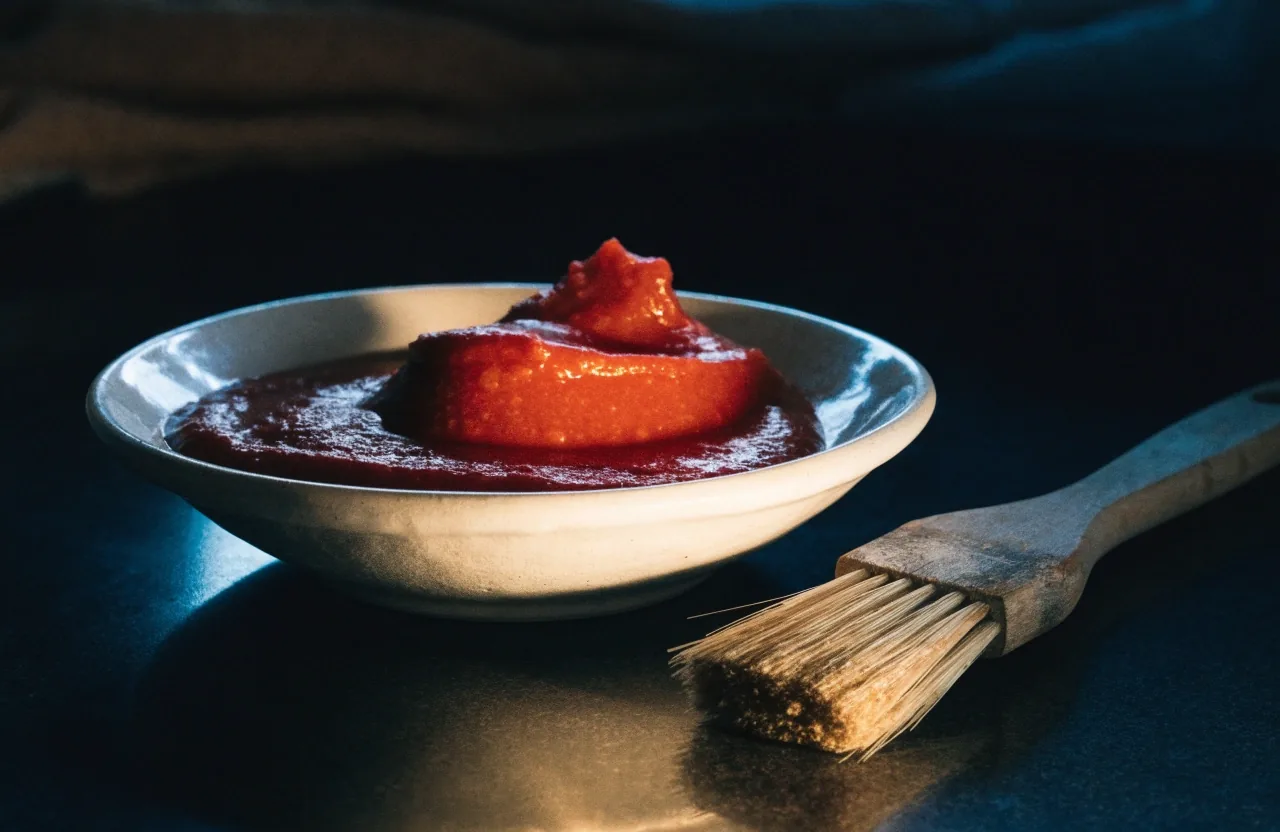
The course recipe gives you the cayenne paste ratio for a medium batch, plus notes for scaling it up for a crowd or down for a weeknight test. Get the brush stroke right here and you will reuse it on every other format below.
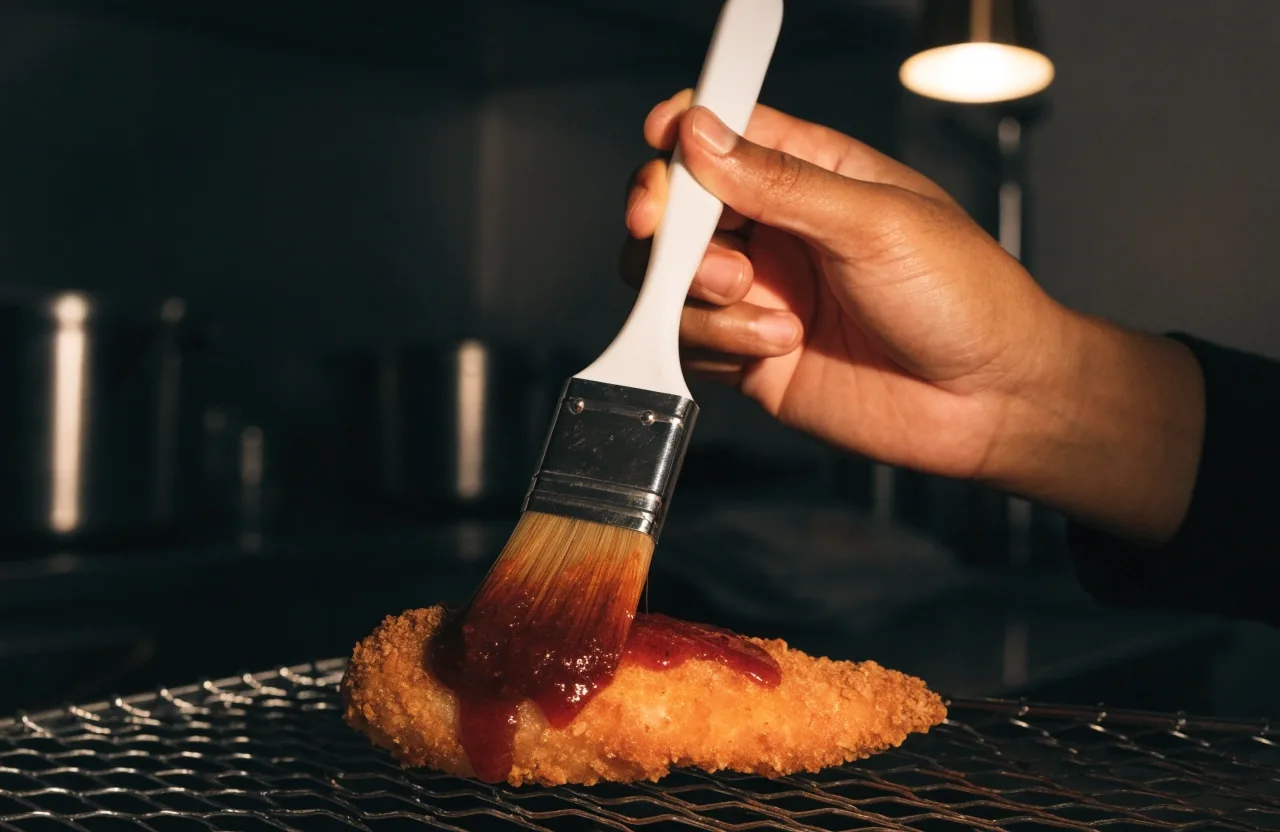
Brine, dredge, fry, brush
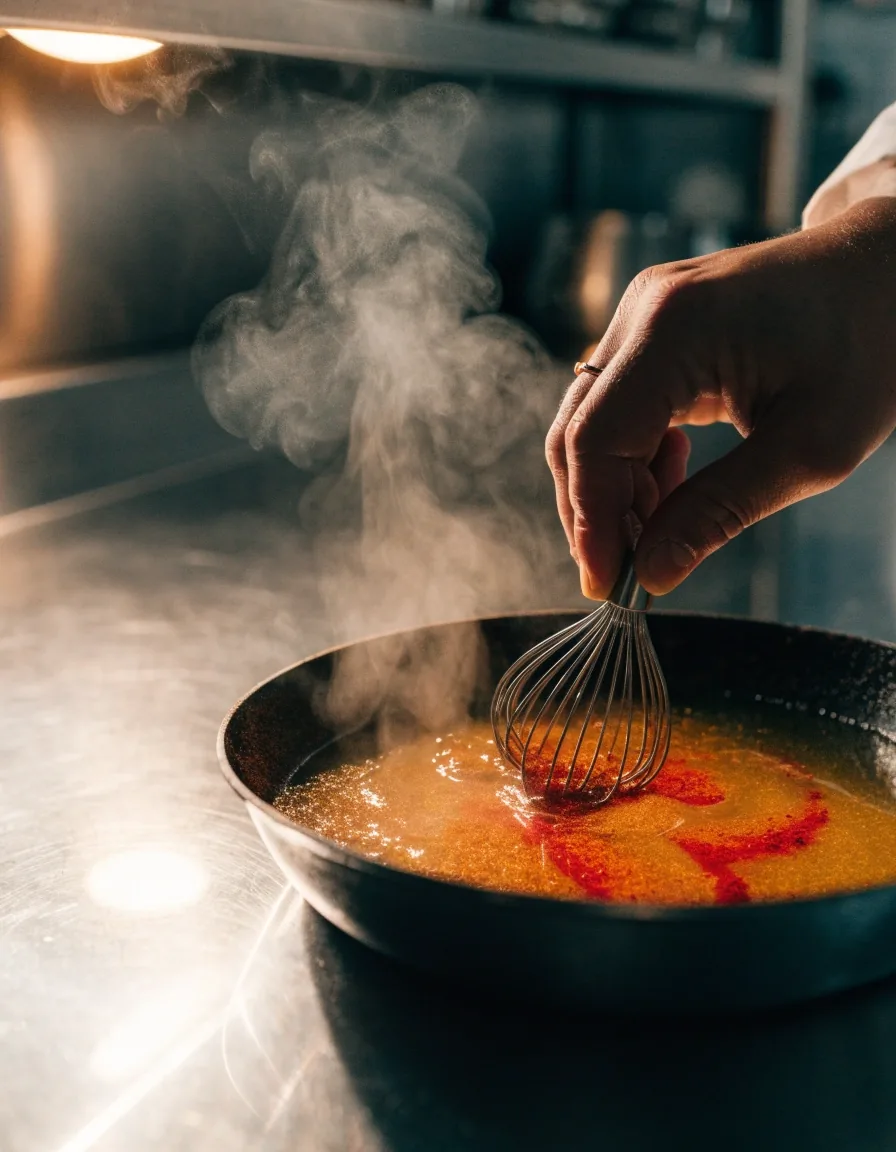
Buttermilk brine for tenderness, a seasoned dredge for the crust, oil held at a steady temperature, then the paste brushed on while the surface is still hot enough to absorb it. That last step is the one most home cooks skip, and it is the one that makes daves chicken taste like daves chicken.
Scaling the paste
The medium batch covers about four servings. Doubling the cayenne without doubling the fa is the common mistake, and it leaves a paste that burns rather than glazes. The course notes the ratio to keep when you scale, so a bigger batch still coats instead of scorching.
Course module
Sliders: small format, real technique
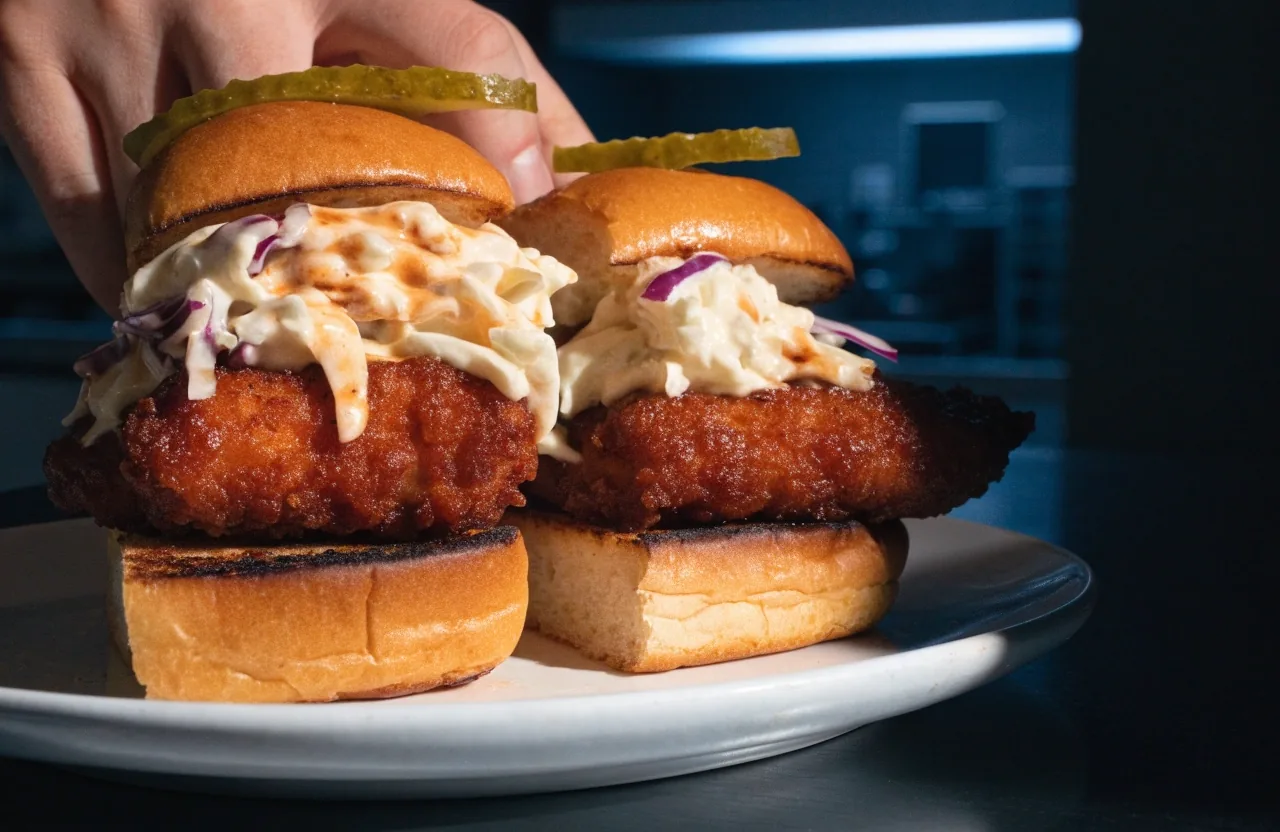
Sliders are not just small sandwiches. The piece is thinner, so the fry time drops and the window between juicy and dry gets narrow. The build also has to hold up under a wet glaze without turning to mush, which is a real technique problem and not a garnish problem.
The course covers three fixes that carry the whole format. First, toast the bun cut-side down so the surface resists moisture. Second, build a quick slaw with enough acid to cut the fa, so the slider does not eat heavy. Third, mix a sauce that sits under the glaze rather than competing with it.
Pickles matter here more than anywhere else on the page. A thin, cold, sour pickle gives the small bite a lift that a bigger sandwich does not need as much. This is the format to cook when you want hot chicken sliders for a group without frying a full batch of tenders.
Wings: skin, bone, and timing
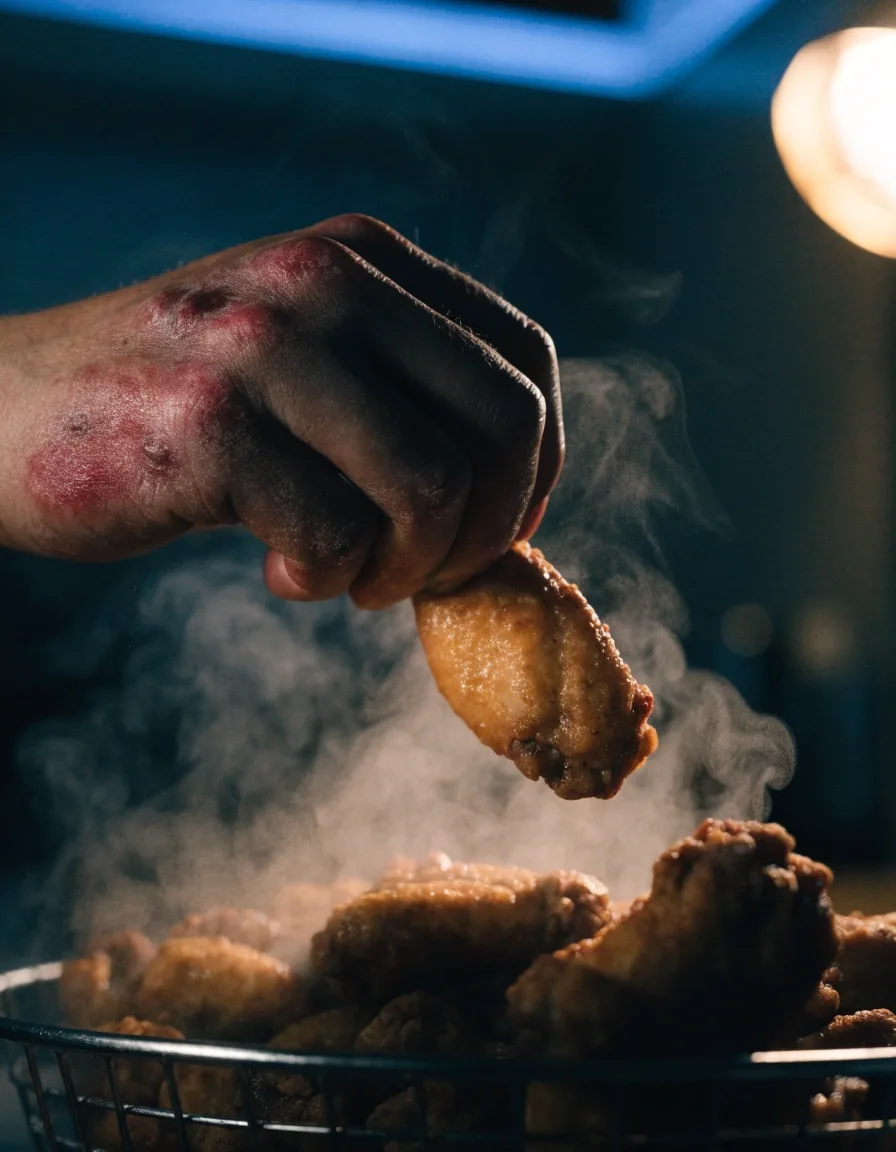
Wings need a different approach. The skin has to dry before it hits the oil or it comes out flabby, and the bone changes how heat moves through the piece. That is why a wing fry does not translate from a tender fry, even though the paste is the same.
The course uses a two-stage fry: a lower first pass to cook the meat through, a short rest, then a hotter second pass to set the crust. The paste goes on while the wings are still hot so it clings to the surface instead of pooling in the basket.
If you want a richer result, confit the wings first and finish them in hot oil. That version sits in the same module, with its own timing and its own paste note. It takes longer and it is worth trying once you are comfortable with the standard two-stage fry.
Sandwiches and the classic build
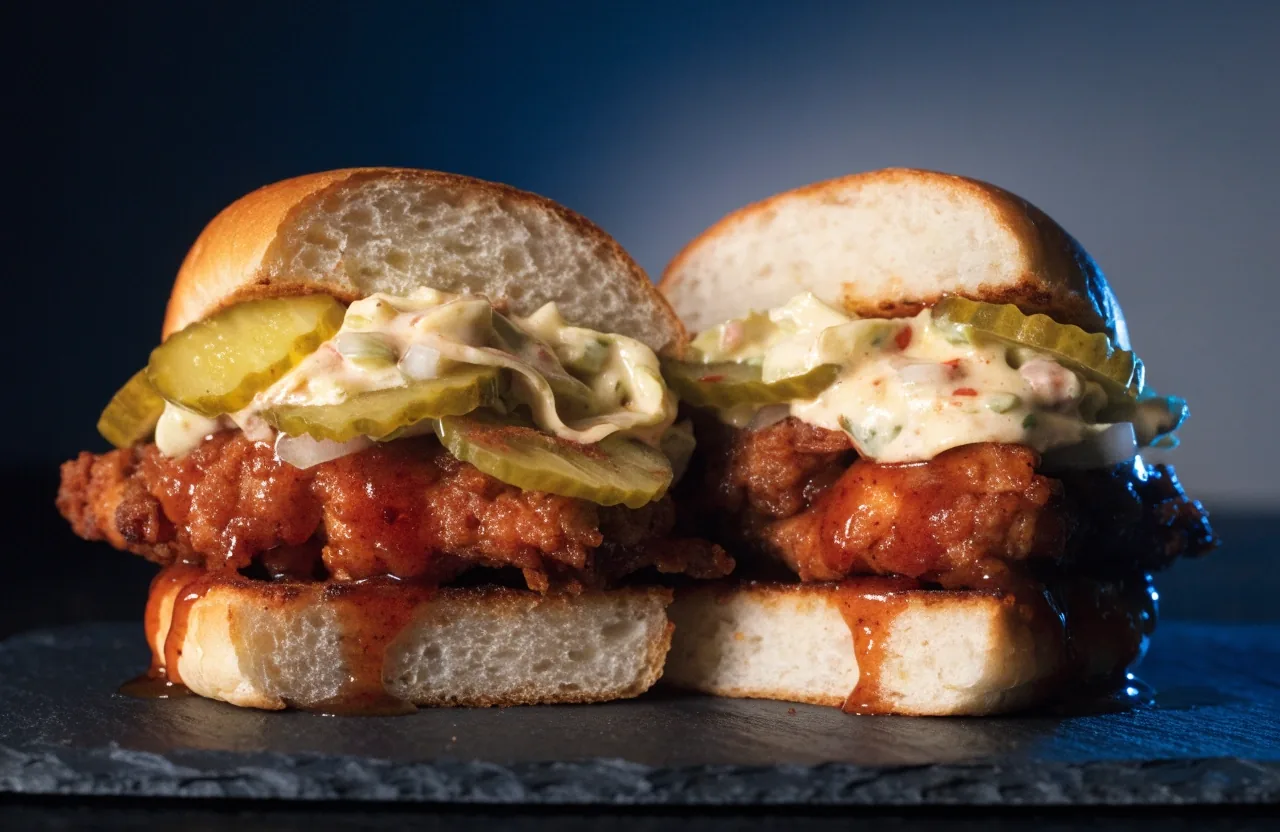
The sandwich is where hot chicken meets street food, and the formula is short: a toasted bun, a piece of glazed chicken, pickles, and a slaw or sauce. Everything else is adjustment. The one real problem with the format is the bottom bun going soggy before the plate reaches the table.
The course shows the three ways to stop that: a fa barrier on the toasted face, a slaw that drains, and a build order that keeps the wet layer off the bread until the last moment. We also cover a milder sandwich version for people who want the flavour without the full heat, using the same paste at a lighter dose rather than a different recipe.
Brunch format
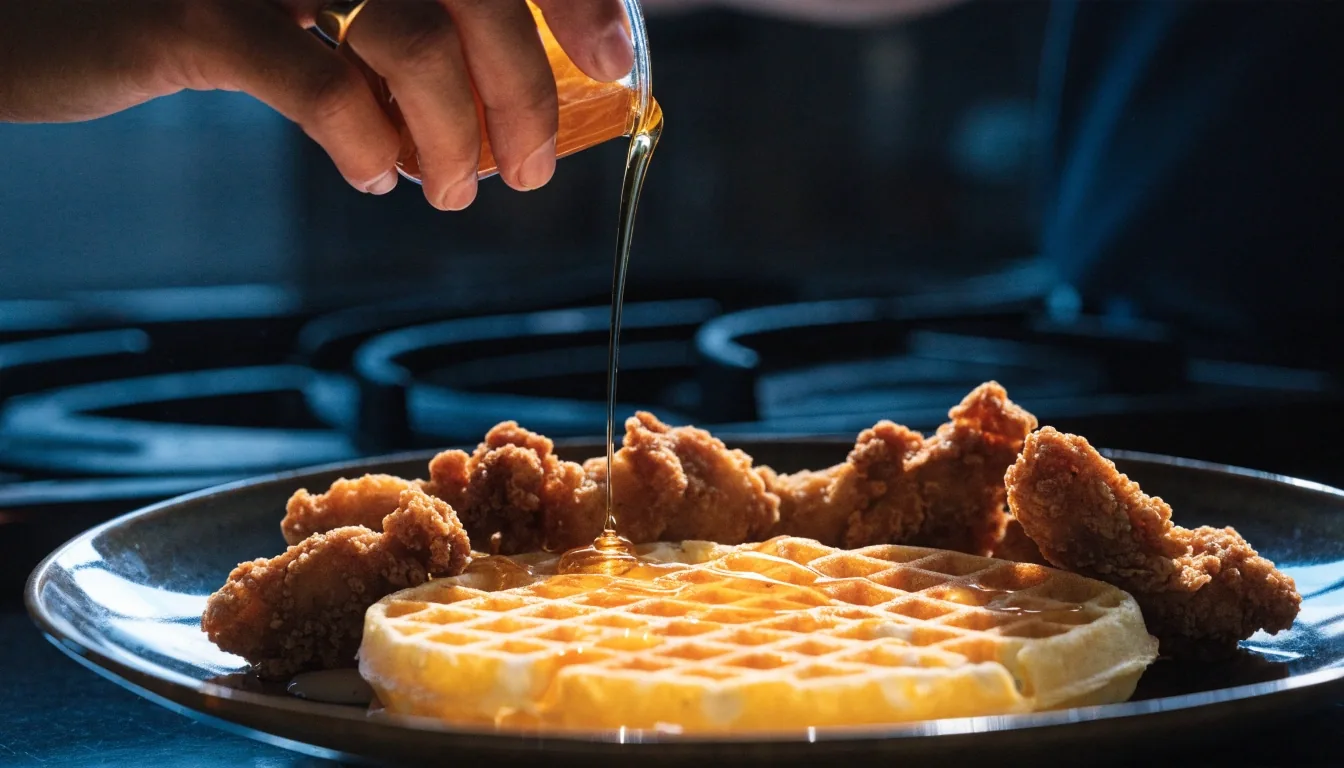
Chicken and waffles: sweet heat
Chicken and waffles is the sweet-and-spicy pairing that keeps showing up on brunch menus, and it works because the waffle's sweetness balances the cayenne instead of hiding it. The hard part is keeping the waffle crisp under a glazed piece of chicken, and that comes down to the batter and the resting time before the plate goes out.
The paste for this recipe is usually built a little sweeter than the standard version, with more honey and a touch less cayenne. It still sits on the same heat ladder, just lower down, which makes chicken and waffles a good entry point for someone easing into the style.
Brunch and bar-food extensions
Hot chicken has moved into poutine, beignets, and other playful formats on real menus, and the course shows how those ideas work without a new base recipe. The method stays the same and the carrier changes. A hot honey drizzle, a fried egg, or a cooling sauce can all sit next to the same glazed chicken.
This module is less about a fixed recipe and more about how to adapt the paste to a new dish. If you can read a plate and decide where the heat should land, you can put hot chicken on it. That is the skill the bar-food section is really teaching.
Hot honey drizzle
Warm honey cut with a little cayenne and a splash of vinegar. It lands on fried chicken, on waffles, and on a fried egg without turning any of them into a dessert.
Fried egg finish
A runny yolk next to a glazed piece adds richness that balances the cayenne. The course covers the timing so the egg is still soft when the plate reaches the table.
Cooling sauce
A dairy or herb sauce that sits beside the heat instead of fighting it. Useful when the paste batch you are working with is on the hotter end of the ladder.
Sauces that work with the paste
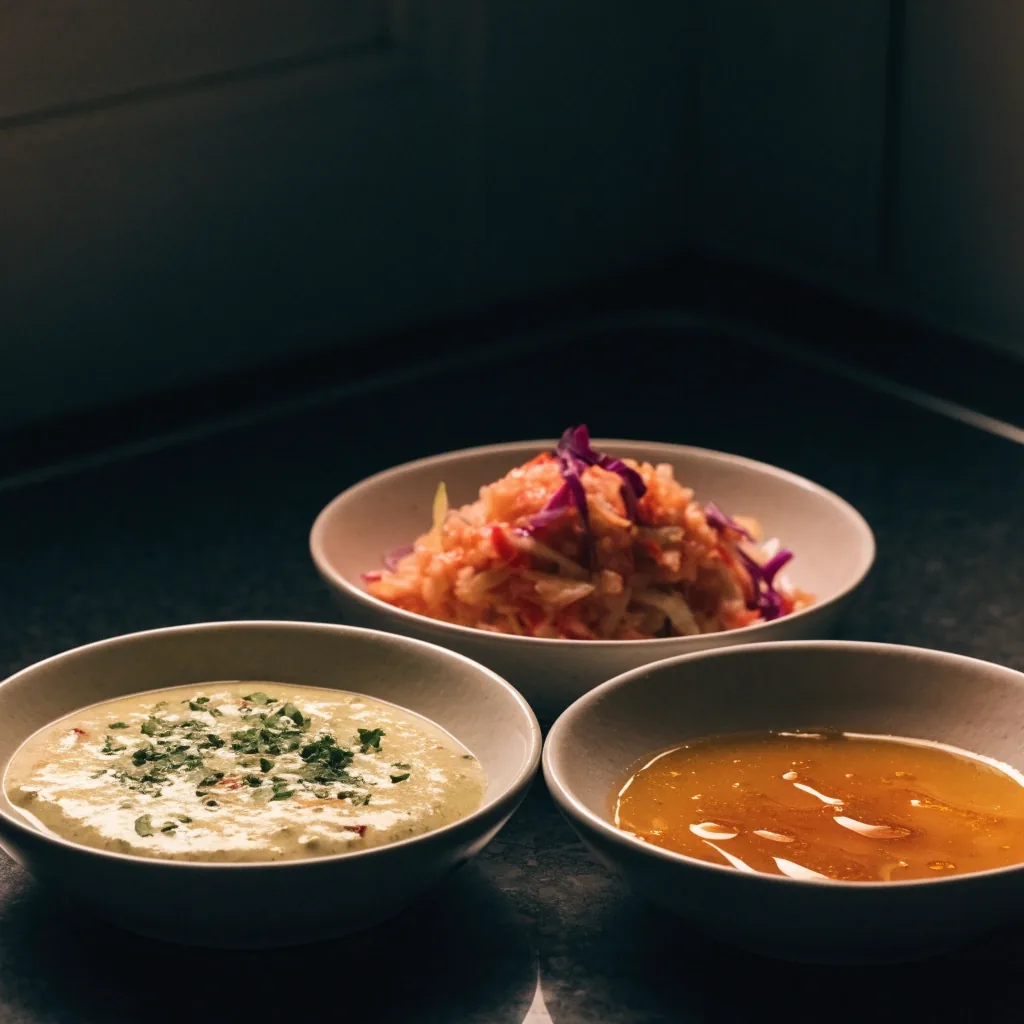
The paste is the main sauce, and on a hotter batch a cooling counterpoint helps. The course covers three that are built to sit next to cayenne without fighting it: a simple buttermilk-herb sauce, a vinegar slaw, and a honey drizzle.
Each one has a job. The buttermilk-herb sauce cools the bite. The vinegar slaw adds crunch and acid so a sandwich does not feel heavy. The honey drizzle bridges the sweet and the hot, which is why it shows up next to waffles and brunch plates more than anywhere else.
None of them is a rescue for a bad paste. They are counterpoints, and the course treats them that way: build the paste first, then decide whether the plate needs one of these alongside it.
A note on white bread and pickles
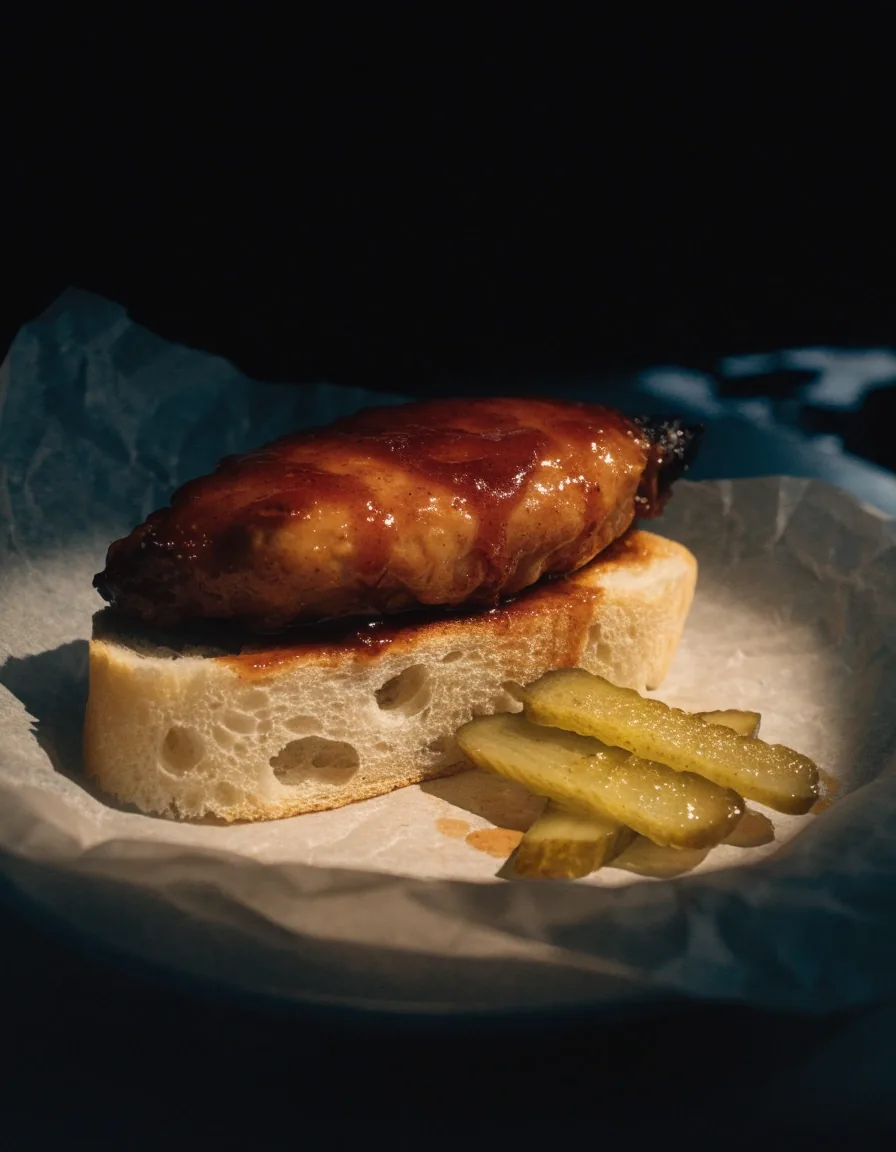
Traditional service puts the chicken on white bread with pickles, and the course keeps that as the default. The bread catches the glaze and softens under it, and the pickles reset your palate between bites. It is a small detail that changes how the whole plate eats, which is why it stays in the recipe notes rather than being treated as a garnish.
If you are plating for a group, put a stack of white bread and a bowl of pickles on the table and let people build their own. It is closer to how the dish is served in the places that made it famous, and it takes one thing off your plate while you finish the fry.
Questions before you cook
Which recipe should I cook first?
Tenders. They are the fastest and the most forgiving, and they teach the paste application you will reuse everywhere else on this page.
Can I use these recipes for a crowd?
Yes. The course notes how to hold fried chicken and re-crisp it, and how to scale the paste for a larger batch without losing the glaze.
Do the recipes work without a fryer?
Yes. A heavy pot and a thermometer cover every recipe here. The course lists the equipment with substitutions so you can start with what you already own.
Pick your first recipe and cook it this week
The course walks the whole ladder from the tender you just read about to the brunch plates, with the paste ratios, the fry timings, and the equipment notes for each one. If you want to see the module list before you commit, the curriculum page lays it out in order. If the heat side is what you came for, the ladder page shows all six levels and how the paste changes between them.
Questions about the course
Monday to Friday, 9:00 AM to 6:00 PM Central Time.
+1-615-555-0129
482 Culinary Arts Way, Suite 102, Nashville, TN 37203, USA