Nashville Hot Chicken Mastery
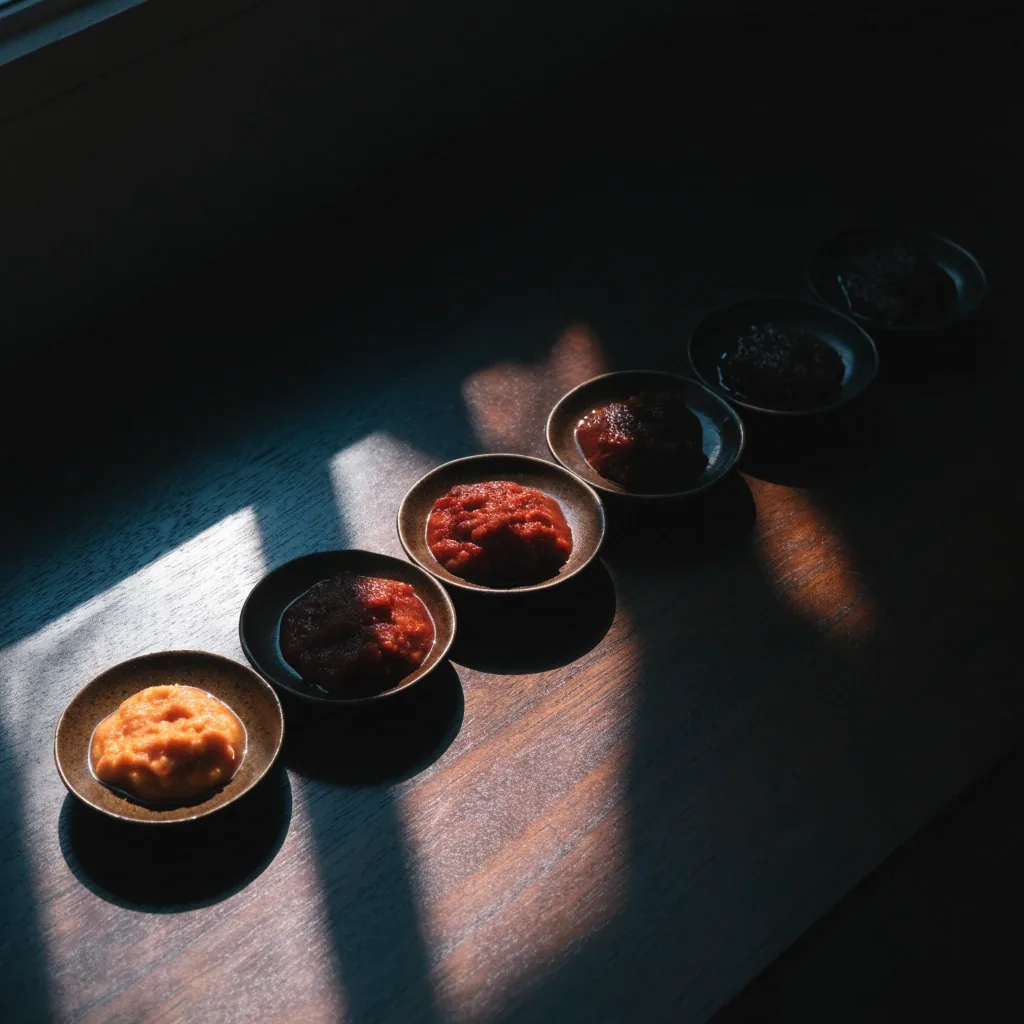
Six shallow dishes of cayenne paste in a row, each one darker and hotter than the last, lit from one side on a dark wood table

Choosing your heat level on the ladder

Mild to Reaper

Mild

Paste low. You taste the fa.

Medium

Glossy glaze, slow build.

Hot

A step up, plus more acid.

Extra hot

For regular spice eaters.

Reaper

Top of the course ladder.

Heat is the whole point of Nashville hot chicken, and it is also where most home cooks lose control. One variable moves on this ladder — the cayenne in the paste — and everything else stays the same.

If "extra hot" burned and tasted of nothing

That is usually a paste built for shock instead of flavor. When cayenne is dumped in without salt, sugar or acid to hold it up, the burn arrives first and the seasoning never gets a turn. You finish the piece because you paid for it, not because it tastes good.

The ladder on this page is built the other way around. Every level up the scale is still a finished sauce — glossy, salty, a little sweet — and the cayenne only decides how loud it talks. That is the same order the course teaches, starting with the mild paste and moving up one batch at a time.

Before you commit a whole tray, run the self-check described further down. It takes a quarter teaspoon and tells you more about your own tolerance than any label on a menu.

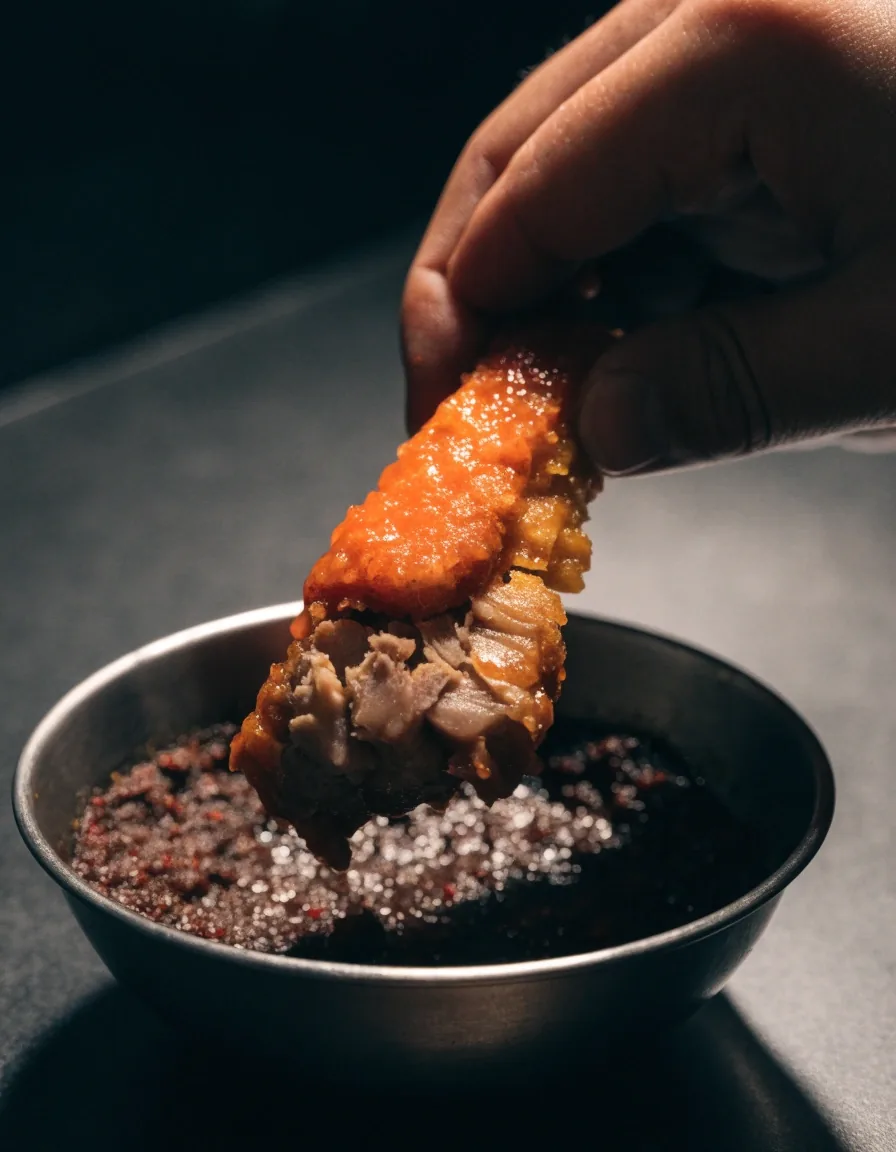
A hand lifting a fried chicken tender out of a dish of dark cayenne paste, glossy glaze clinging to the crust
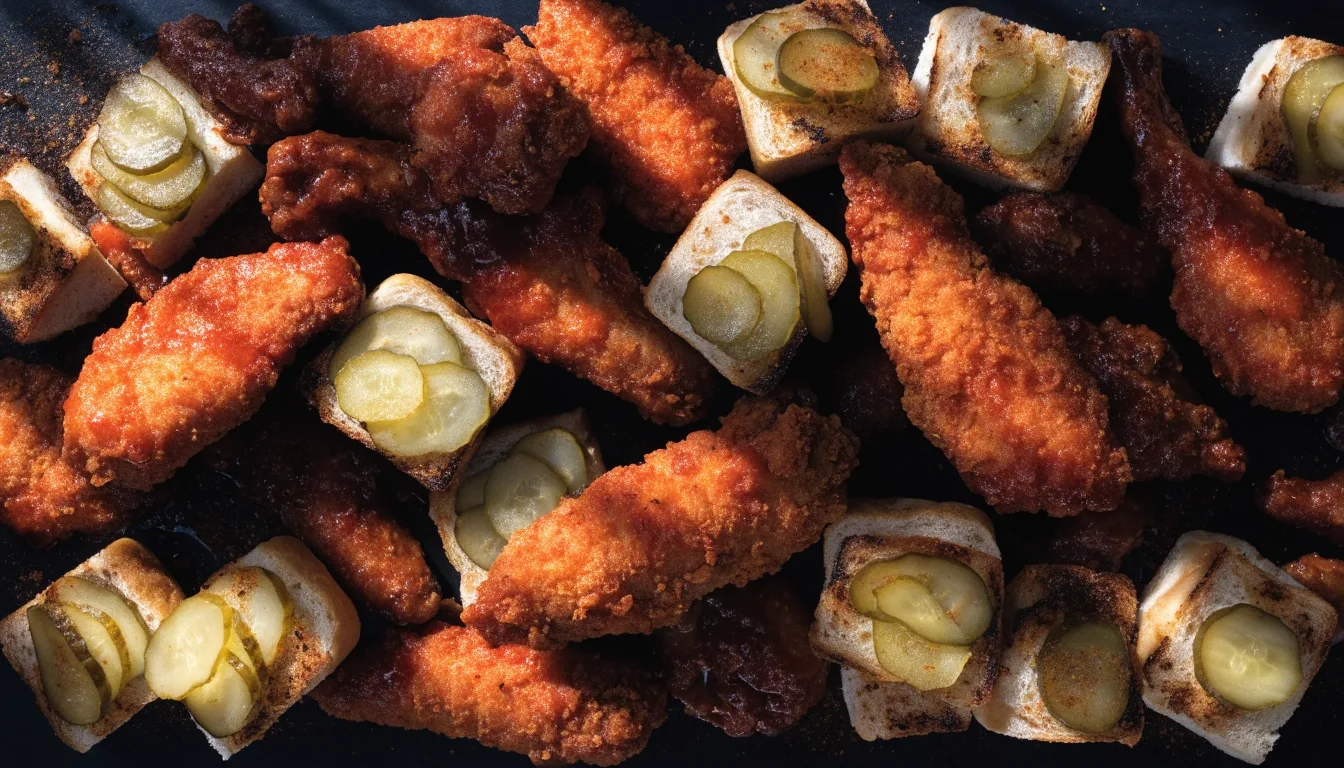
An overhead spread of fried chicken wings, tenders and sliders with pickles on a dark board

A hot plate should still taste like a sauce

Cayenne reads almost fruity at low ratios and turns bitter and dry when you push it without balancing. Sugar, acid and salt climb alongside the pepper, so even the top of the ladder stays something you want to eat.

The six levels

What each level actually tastes like

Six rows, one cayenne variable. Read them in order — the open row is the one most cooks should start on. This is the mild-to-Reaper range the course walks through, batch by batch.

Mild

Mild is where the paste shows its structure. Cayenne is present but low, so you taste the fa, a little sweetness, and the seasoning from the dredge. It is the right starting point for anyone who wants the hot chicken experience without a wall of heat. Many students stay here for family batches and cook a hotter paste on the side for themselves; the course shows that split method in Module 5.

Start here if unsure
Medium

Medium is where most people land after their first batch. The cayenne is clearly there, the glaze is still glossy, and the heat builds slowly rather than hitting all at once. It is hot enough to be unmistakably Nashville hot and balanced enough that you finish the plate without reaching for water.

Most first batches

Hot

Hot pushes the cayenne up another step and adds a touch more acid to keep it from tasting flat. This is the working range for a full piece of chicken — the point where the sauce still reads as a sauce and not as a punishment. Keep the glaze thin so the crust does not soften.

The working range

Extra hot

Extra hot is built for people who already eat spicy food several times a week. The paste ratio climbs and the glaze stays thin on purpose, so the crust does not soften under the sauce. It is still flavored, not just punishing, but it leaves less room for error.

Regular spice eaters

XXX hot

The XXX tier sits directly below the top of the ladder and is where a lot of cooks stop on purpose. The cayenne load is high, the acid has to work harder, and the batch rewards a practiced hand. If you are unsure, cook one extra hot tender and stop there before committing a whole tray.

Practiced hands

Reaper

The Reaper tier is the end of the course ladder, built with a much higher cayenne concentration and a small amount of a hotter pepper to change the character of the burn. It is not a dare. It is a level for cooks who have worked up the ladder and want to know where the ceiling is.

Top of the ladder

How the paste ratio changes flavor

Cayenne does more than add heat. At low ratios it reads almost fruity; at high ratios it turns bitter and dry if you do not balance it. The course teaches you to add a little sugar, an acid, and salt as the cayenne climbs, so a Reaper batch still tastes like a sauce.

That balancing act is the difference between a hot chicken plate and a bowl of pain. Move one variable at a time and taste between steps — the paste is cheap to fix before it hits the chicken.

What climbs alongside the cayenne

  • Salt Stays steady across the whole ladder. Salt is what makes cayenne taste like seasoning instead of burn; if a hot batch tastes hollow, this is usually the first thing missing.
  • Sugar Rises gently with the cayenne. A touch of sweetness rounds the top of the burn and keeps the paste glossy instead of gritty — it is the reason a high-ratio batch can still read as a sauce.
  • Acid Steps up with every level past medium. Vinegar or pickle brine keeps a hotter paste from tasting flat and muddy — without it, high-cayenne batches go dull before they go hot.
  • Fat The hot frying oil or a spoon of the frying fa is what carries cayenne across the crust. Too little and the paste sits on top; too much and the glaze slides off. The course shows the right consistency by eye.
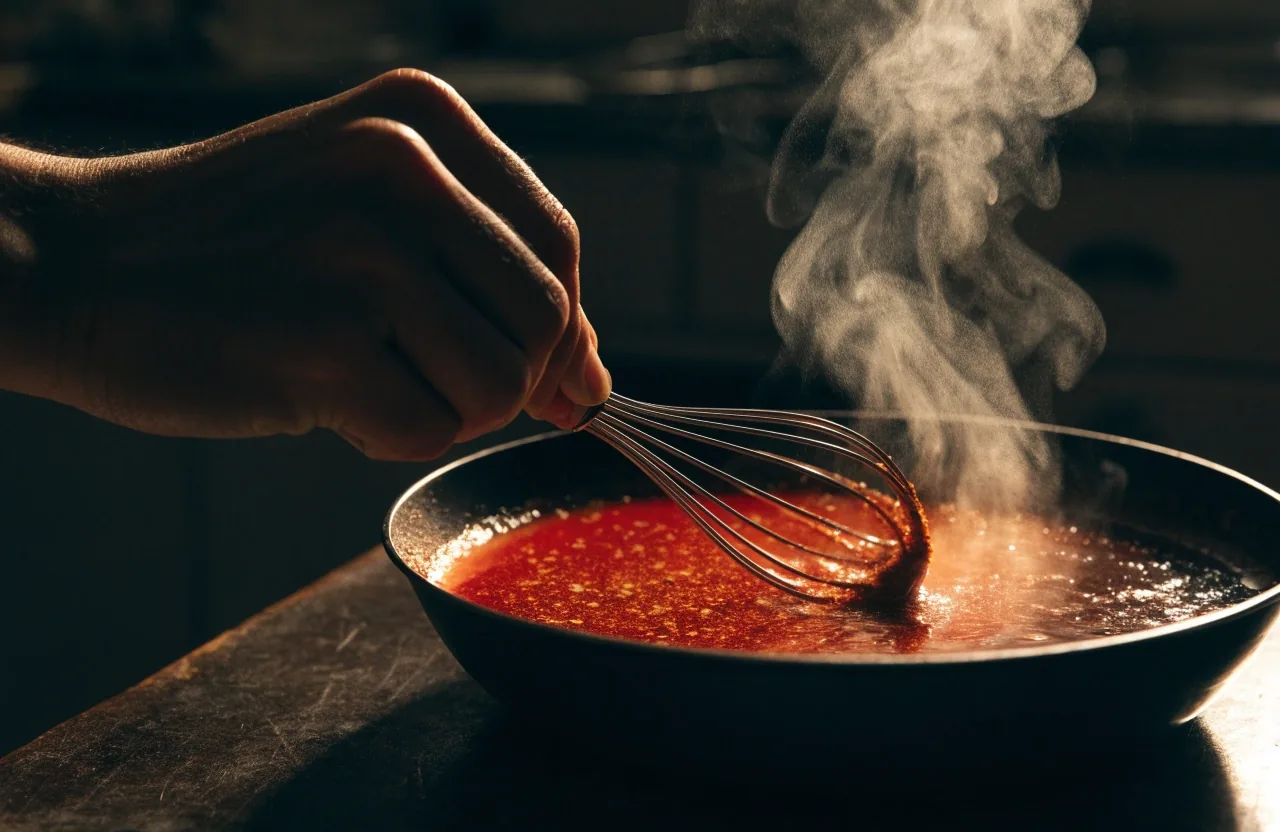
Cayenne paste being stirred into hot oil in a pan, glossy sheen and steam under warm light

Adjusting heat without losing crunch

Heat adjustments happen in the paste, never in the dredge. Adding cayenne to the flour gives you an even burn with no glaze and a duller color, and it does nothing for the flavor you were chasing in the first place. Keep the heat in the paste and the crust stays crisp.

Keep the glaze thin at every level. A thick paste is what softens a crust — a glossy, thin coating at any cayenne level lets the coating set and stay crunchy from the fryer to the plate. If a batch tastes too hot after the fact, serve it with white bread and pickles. That is the traditional fix and it works.

The course covers this in the section on finishing: how thin to make the glaze, how to taste between batches, and how to hold a finished tray without steaming the crust soft.

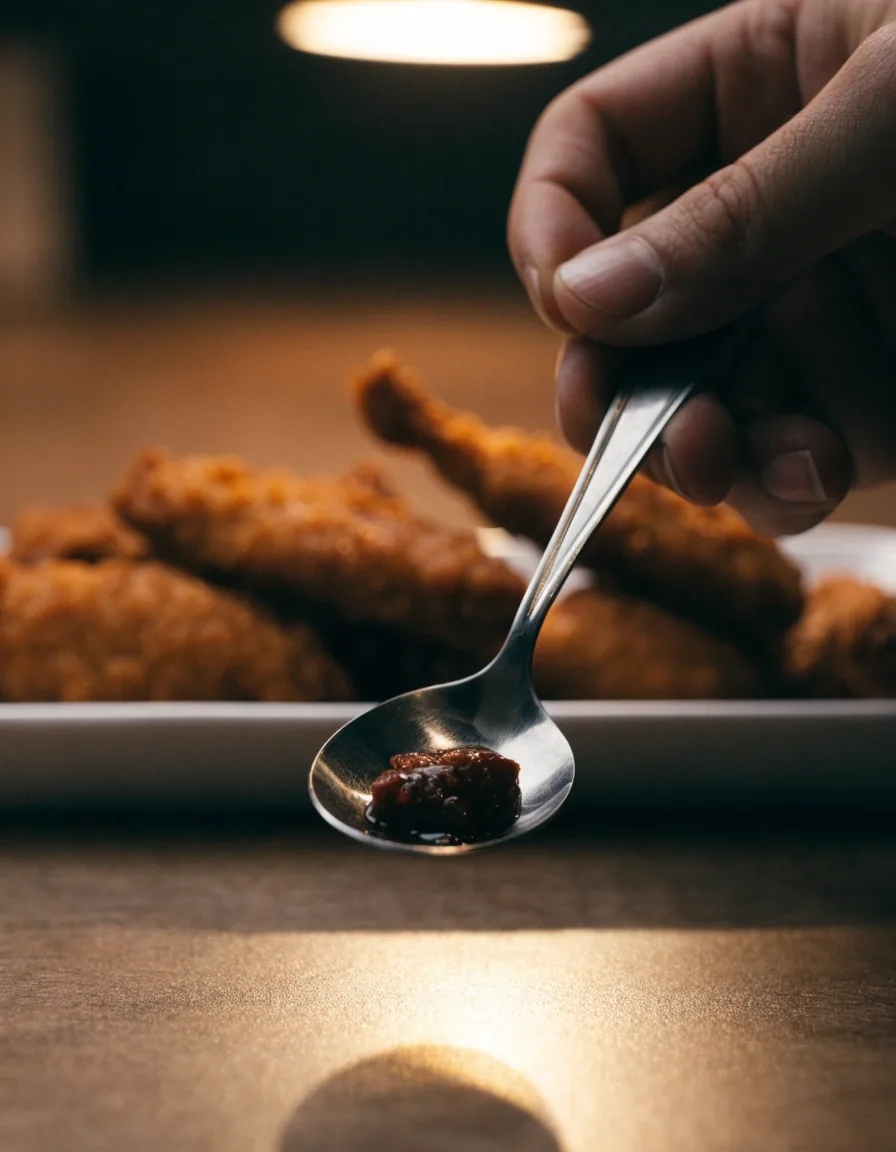
A small spoon holding a quarter teaspoon of dark cayenne paste above a dark counter, with fried tenders blurred behind

Calibrating your own tolerance

The course includes a simple self-check: taste a quarter teaspoon of the base paste before you commit a batch. Your reaction to that tells you more than any heat-scale label. Most people discover they should start one level lower than they assumed.

Tolerance is not fixed. Cook mild for a week, then medium, and the same piece that felt hot at the start will read differently. The ladder is designed to be climbed at your own pace, batch by batch — and the course leaves room to drop back down when a batch lands harder than you expected.

Moving up the ladder over time

Start where your quarter teaspoon put you, cook three batches at that level, then move one step. A batch is a cheap experiment; a whole tray of Reaper paste on your first try is not. Students who climb this way tend to land two levels higher within a couple of months and still enjoy the food.

Why white bread and pickles come with the plate

The bread soaks up excess glaze and the pickles reset your palate between bites. Both let you eat a hotter piece than you could otherwise. It is a functional pairing, not a garnish, and the course treats it that way — the plate is part of the heat control, not an afterthought beside it.

Serve the bread underneath the chicken, not on the side, so the glaze runs into it instead of pooling on the plate. A pickle between pieces is what makes an extra hot tender finishable.

Questions before your first batch

The three things cooks ask most often once they have read the ladder. If yours is not here, the full FAQ covers equipment, timing and substitutions.

Read the FAQ
Can I make one batch with two heat levels?

Yes. Fry the chicken plain, then split the paste into two bowls and scale the cayenne separately. The course shows the split method, including how to keep the second bowl warm without cooking the glaze.

Does a hotter level make the chicken soggy?

Not if the paste is built correctly. A thin, glossy glaze at any cayenne level keeps the crust crisp. A thick paste is what softens it, and that mistake is just as easy to make at mild as it is at Reaper.

Is the Reaper level safe?

It is food, not a challenge, but it is very hot. The course covers ventilation, gloves when handling the paste, and keeping the paste away from your eyes. Work up the ladder rather than starting there.

Pick your level and start cooking

The course walks the whole ladder in order, from the mild paste through to Reaper, with the balancing steps at each rung. Enroll and choose the level you want to cook first — you can change it on the next batch. Questions about equipment, ingredients or scheduling go to our contact page.